
Ligula Hospitality Group has no policy to address one of its largest sources of greenhouse gas emissions

Food is one of the largest sources of greenhouse gas emissions for hotel groups like the Ligula Hospitality Group. That’s why many hospitality and food service groups, have set clear, public protein-transition goals to reduce their food-related emissions.
But Ligula Hospitality Group has failed to take this basic step — continuing to ignore one of its biggest sources of emissions, despite claiming to care about sustainability and climate change.


The next decade will determine how severe climate impacts become. Rising temperatures already contribute to a large number of deaths globally each year, and heat-related fatalities are projected to increase sharply in the coming decades. Those most at risk are not abstract statistics; they are older people, young children, pregnant women, individuals with chronic illnesses, and those who are living in poverty.
Climate change is also accelerating biodiversity loss to levels unseen in human history, pushing wildlife past their limits. At the same time, biodiversity loss worsens climate change as damaged ecosystems lose their ability to buffer heat, floods, and droughts. This destructive cycle is already underway.
Ligula Hospitality Group influences these outcomes every day through what food it buys, serves, and promotes to guests like you and me.
Many other hotel groups have already set clear, measurable public targets on protein diversification, rebalancing the share of animal- and plant-based proteins across their menus, recognising that such a shift is the single biggest way to lower their food-related emissions. From [Hotel name to hotel to hotel name] to many others, such policies are becoming the new norm for hotel groups that take climate action seriously.
But Ligula Hospitality Group? It has done nothing on the issue, failing to set any public policy targets on one of its largest sources of greenhouse gas emissions.
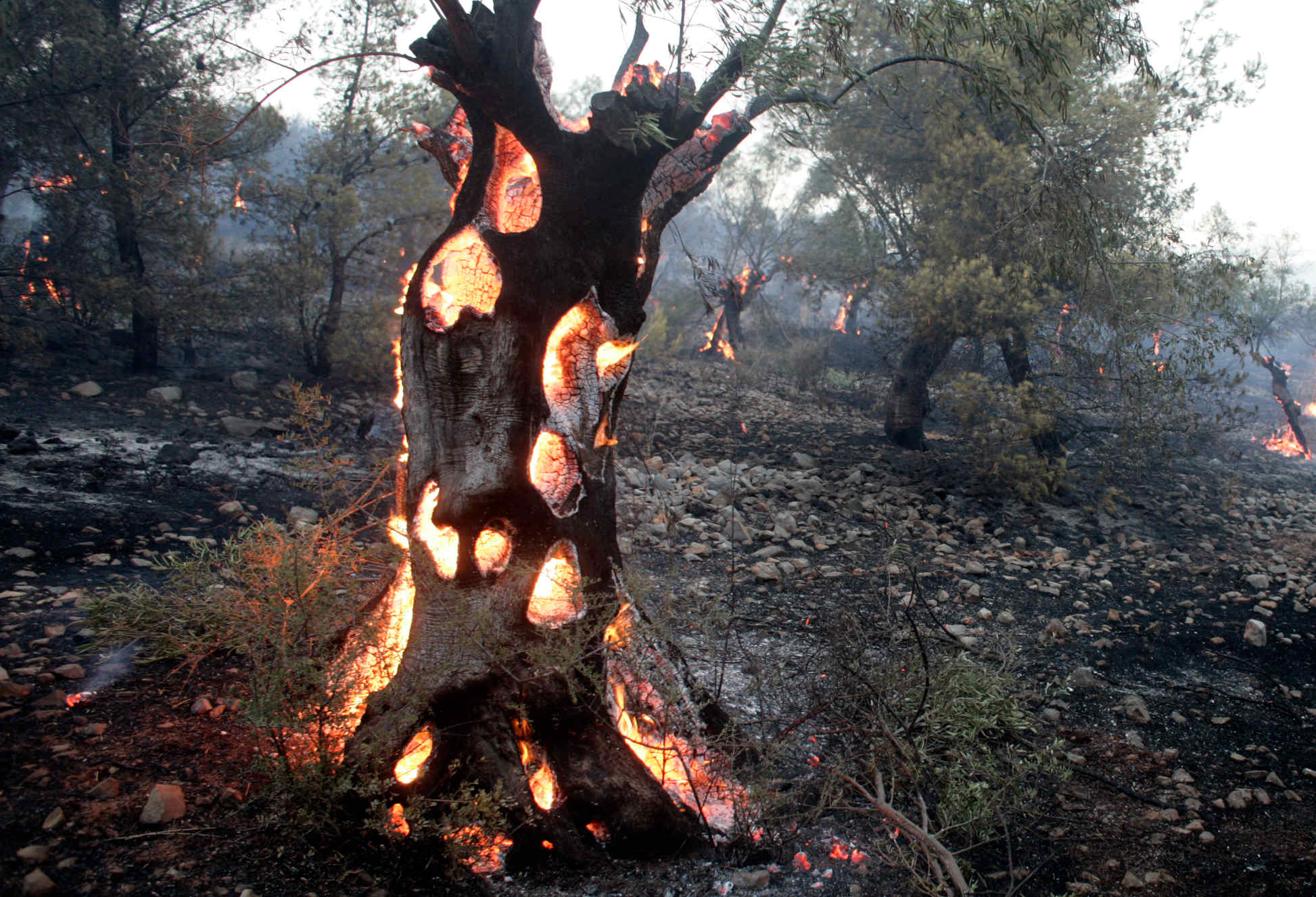

Ligula Hospitality Group tries to present itself as committed to sustainability and climate responsibility, yet it now lags far behind other leading hotel groups in addressing this major source of emissions. Guests don’t want empty words. They don’t want to patronise irresponsible hotel brands. And they don’t want their stay contributing to climate destruction.
It’s time for the Ligula Hospitality Group to do what others have already done: set a clear policy to address this critical source of its greenhouse gas emissions.